

There’s nothing quite like walking out to your backyard on a warm Southern California morning, ready for a refreshing dip, only to find your crystal-clear pool has turned into something resembling a swamp.
Green pool water is every pool owner’s nightmare. No worries, though, because it’s fixable, and, with the right approach, you can keep the green from coming back.
At Anderson Pool and Spa, we’ve helped countless homeowners across the Rancho Cucamonga area rescue their pools from algae infestations. Whether you’re dealing with a minor minty green tint or a full-blown pea-soup situation, we know exactly what you need to know and what needs to be done!
Why Do Pools Turn Green?
Before we dive into the fix, let’s understand the problem. Green water is almost always caused by algae growth, which happens when three conditions are present: First, the water chemistry is poor. When there are low sanitizer levels, algae can take hold. Second, there is inadequate filtration. When filters are dirty or running on a shortened schedule, they don’t remove spores. And finally, poor circulation. When the pool water does not circulate completely, dead spots in the pool can become breeding grounds for algae. Fortunately, all of these are preventable with proper maintenance.
Step 1: Test and Balance Your Water
Before you add anything to your pool, you need to know the current conditions in the pool, which can be done via testing.Test your water for free chlorine, pH levels, total alkalinity, and for cyanuric acid (conditioner/stabilizer). Proper chemical balance is essential because if your pH or alkalinity is off, the shock you’re about to add won’t work effectively. Aim for pH levels between 7.4–7.6, free chlorine between 1–3 ppm, and cyanuric acid levels between 30–50 ppm.
Step 2: Brush and Clean Everything
Algae clings to surfaces. To kill it, you first need to break it loose. Brush the walls, floor, and steps vigorously, to knock off any algae stuck there. Remove and clean any debris from the bottom, and clean your filter thoroughly. You’ll be running it a lot, so it needs to be as clean as possible. If it is dirty, then you’re just recirculating algae spores. It’s extremely important you take the time to do this step thoroughly.
Step 3: Shock the Pool
This is where you destroy the algae. Use a calcium hypochlorite or a potassium peroxymonosulfate shock treatment, and follow the package directions for your pool size. Pro tip: Add shock in the evening. Sunlight burns off chlorine, so shocking at night gives it more time to work. Run your pump continuously and brush the pool again after 24 hours.
Step 4: Brush, Vacuum, and Repeat
After shocking the pool, dead algae will turn white or gray and settle on the bottom. Vacuum onthe “waste” setting (if possible) to pull the dead algae out of your system and not through your filter.
If your pool is still green after 24–48 hours, repeat the process. Stubborn algae may require a second (or even a third) round.
Step 5: Run, Run, Run Your Filter
Keep your pump running 24/7 until the water clears. Clean your filter daily because algae will clog it fast. Depending on the type of filter you have, backwash your sand or DE filters, or rinse cartridge filters thoroughly.
The entire cleaning process can take from 2 to 7 days, depending on how bad the algae was
When Green Pools Need Professional Help
Sometimes, a green pool is more than an algae attack. If you’ve shocked and brushed and the water still won’t clear, you may have metal stains that require different treatment; plaster deterioration that’s harboring deep algae growth; or filtration issues that need professional diagnosis
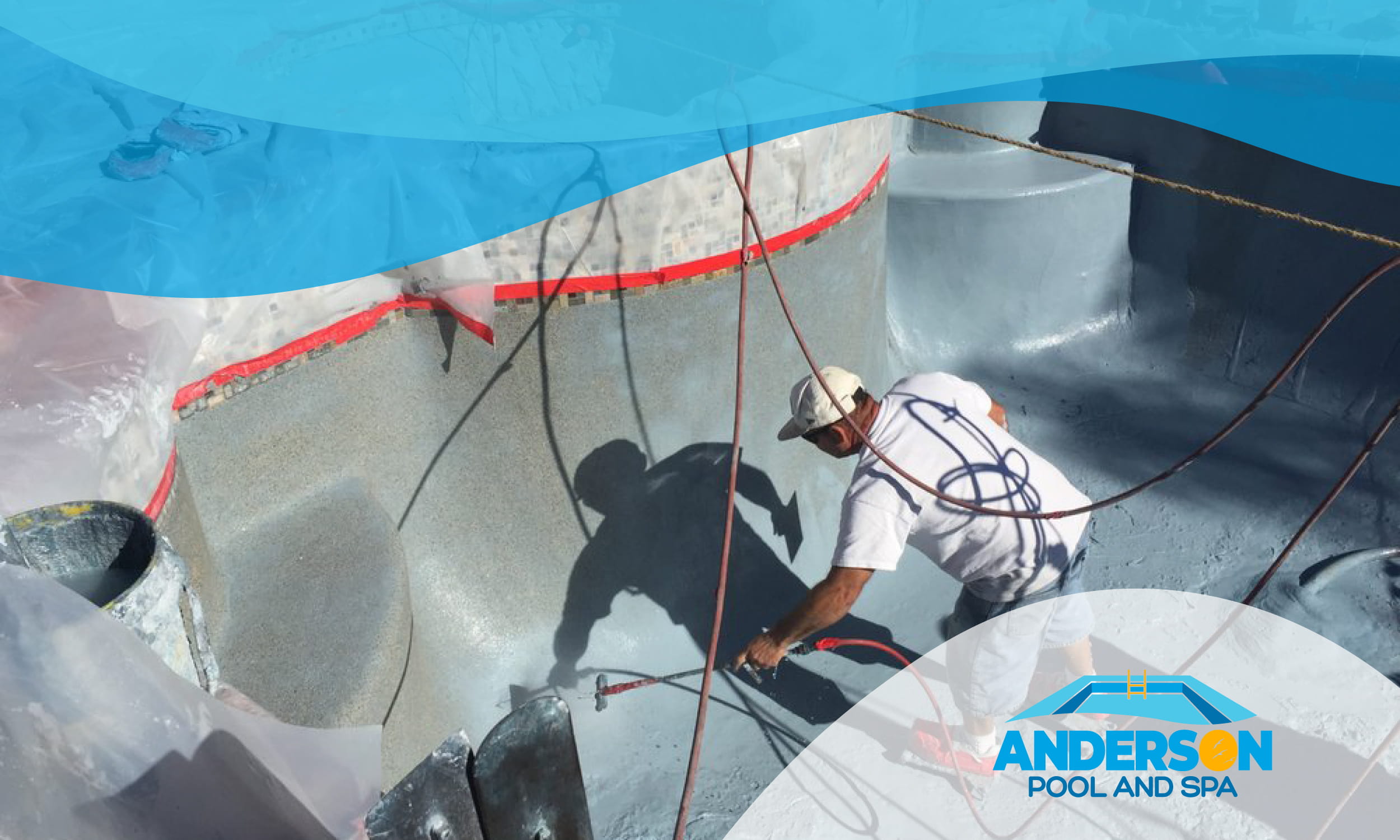
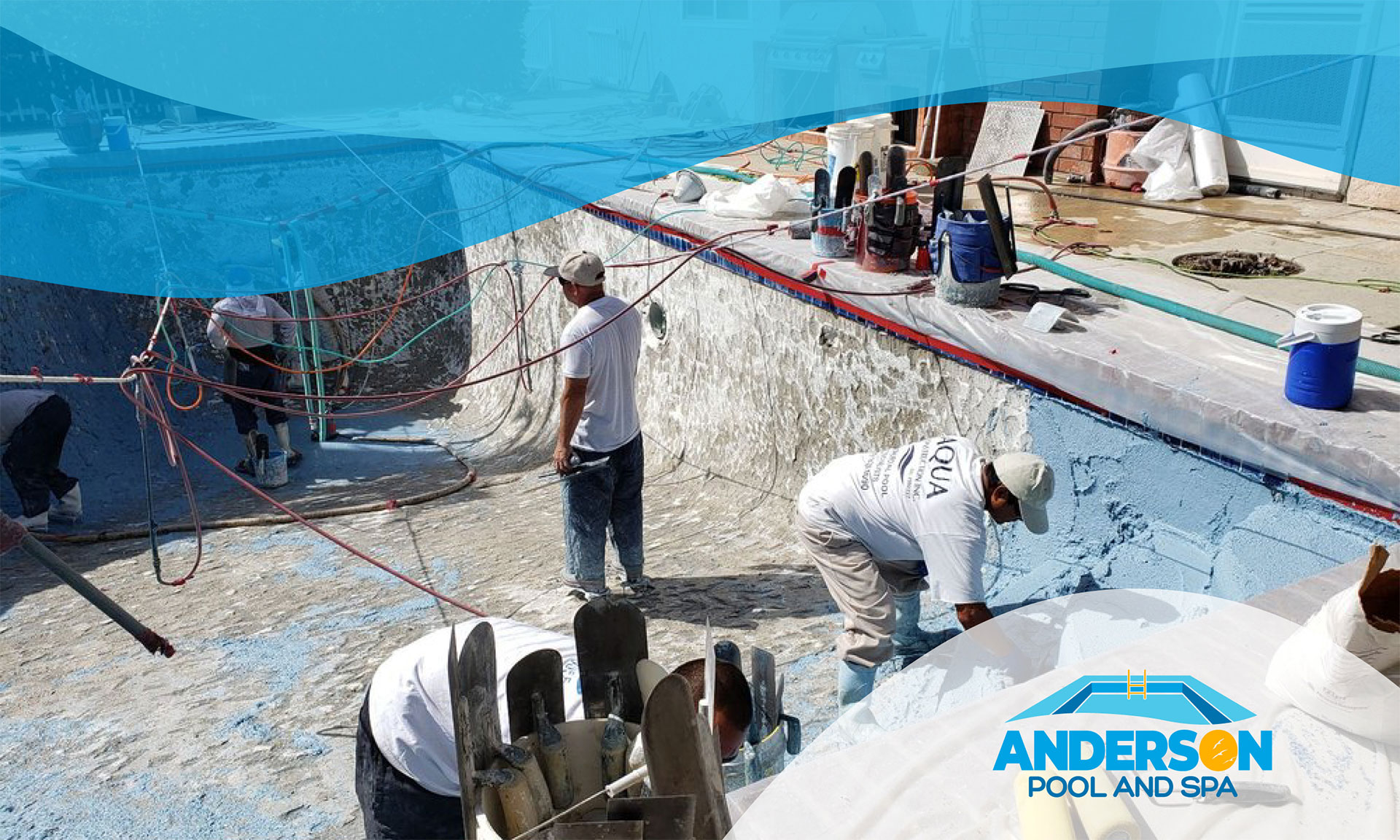
In these cases, an acid wash may be the answer. This process involves draining the pool and using a mild acid solution to clean the plaster surface, removing stains and embedded algae. It’s a job best left to experienced pool contractors who know how to protect your pool’s finish.
If your pool has persistent algae problems, it might be time to consider pool resurfacing or replastering. Rough, pitted plaster gives algae places to hide that brushing can’t reach.
Preventing Green Pools: Your Summer Preparation Checklist
The best fix for a green pool is never having one in the first place. Here’s what to do before swim season hits:
- Schedule a pre-summer inspection: A professional can spot potential issues before they become problems.
- Deep clean your filter: Start the season right with a clean system.
- Check and balance chemicals: Get your water right from day one.
- Add conditioner (stabilizer): This protects chlorine from burning off in the California sun.
- Inspect and repair tile and coping: Cracks and deterioration can affect water chemistry.
- Run your pump daily: 8 to 12 hours in summer, ideally during daylight
For Rancho Cucamonga homeowners and those in the surrounding area, getting your pool ready for summer is essential. Our unique climate can create the perfect conditions for algae if you’re not careful.
The Right Pool Specialist Makes All the Difference
Whether you’re dealing with a green pool emergency or planning for a trouble-free summer, having a trusted partner matters. At Anderson Pool and Spa, we’ve been helping Southern California families enjoy their pools for over 30 years. We specialize in pool remodeling and resurfacing, tile repair and replacement, pool plastering, and complete pool construction.
If you’re in Rancho Cucamonga, California or the surrounding area and looking for knowledgeable pool builders, we’re your local experts. Whether you need help with a stubborn green pool, want to upgrade your equipment, or are ready for a complete backyard transformation, our team is here for you. Contact Anderson Pool and Spa today.